- Anna Špelinová
- Barbora Kabátková
- Beatriz Lafont
- Bruno Benne
- Cornelia Demmer
- Dagmar Šašková
- Dagmar Valentová
- Elena Bianchi
- Enrico Gatti
- Ercole Nisini
- Eva Káčerková
- Irmtraud Hubatschek
- Jakub Kydlíček
- Julie Braná
- Jürgen Banholzer
- Kateřina Ghannudi
- Kateřina Klementová
- Lieven Baert
- Lorenzo Charoy
- Lukáš Vendl
- Magdalena Malá
- Marek Špelina
- Marek Štryncl
- Matyáš Hauser
- Michael Brüssing
- Nele Vertommen
- Ondřej Šmíd
- Peter Holtslag
- Robert Hugo
- Shalev Ad-El
Kateřina Klementová
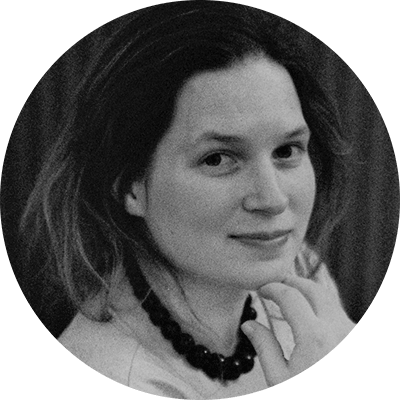
Historical dance - baroqueDancer, choreographer and dance lecturer. Since her childhood she has been engaged in contemporary dance, since 2000 she has been intensively involved in historical dance. Studied by Barbara Sparti, Lieven Baert, Béatrice Massin and others. She´s is a member and choreographer of the Chorea Historica ensemble. In 2007, she has founded a Czech branch of La Società di Danza, Italian school of 19th century dance. On a long-term basis, she cooperates with the Czech Jane Austen Society. She´s organizing and leading early dance workshops for children, youth and adults in Czechia and abroad. She is a lecturer in the educational programmes of the Czech Philharmonic. In the past, she has been involved in research and project management in the cultural organization NIPOS and methodological work in the National Pedagogical Institute. Currently she is the Head of the Regional and Minority Culture Department of the Ministry of Culture.
Further information about Kateřina Klementová can be found at:
About The Class
Do you wish to start with baroque dance? Are you a musician or singer who is interested in the secrets of baroque dance movement? Are you a dancer who likes to come back to Valtice every year and “refresh” your dance skills? Do you want to get familiar with early dance for the first time? This year, the baroque dance class is for beginners and pre-intermediate dancers. We will focus on the basic elements of baroque dance movement (“la belle danse”), dance steps, and body movements (“port de bras”). In addition to the entertaining social dances known as “contredanses,” recorded in 1706 by R. A. Feuillet, we will also create a small thematic choreography in the style of “la belle danse.”